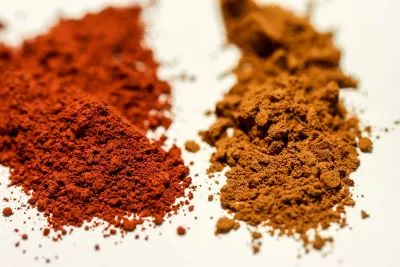

What Is Ochre?
If you are looking for ochre and want to know more about it in detail then this user guide from Zillion Sawa Minerals (ZSM) is for you. Our mineral experts have complied all the information and research into a simple user friendly guide. This guide explains what ochre is, how it forms, and what sets the two best-known types apart: red ochre and yellow ochre. You will also find a short history, modern uses and practical buying tips.
Ochre is a natural earth pigment made of clay and iron oxide, and it is one of the oldest colorants humans have used. Known for its beautiful earthy shades of red, yellow, brown and orange, ochre has been used for thousands of years in art, decoration, architecture, pottery and traditional crafts. Derived from naturally occurring mineral deposits, this versatile pigment has played an important role in human creativity, culture and artistic expression across different civilisations. People have been grinding it into paint for well over 100,000 years.
Among its various colours, Red Ochre and Yellow Ochre are two of the most popular and widely recognised varieties. Both are valued for their natural appearance, excellent colour stability and versatility. While Red Ochre offers warm, rich reddish tones, Yellow Ochre provides soft golden, mustard and earthy yellow shades.
But what exactly is ochre, how is it formed, and what makes Red Ochre and Yellow Ochre so special? Let's explore everything with ZSM Ochre user guide.
What Is Ochre?
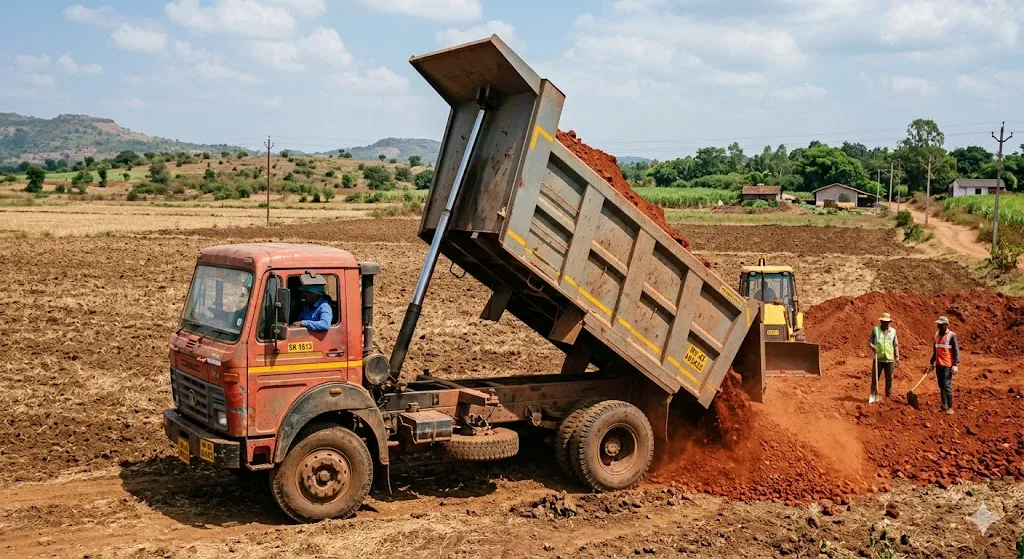
Ochre is a naturally occurring earth pigment primarily composed of iron oxide and iron-rich minerals mixed with clay, sand (Silica) and other mineral materials. It is generally extracted from the earth in the form of coloured soil or mineral deposits, which are then processed, cleaned, dried and ground into a fine powder (Various mesh sizes) for different applications.
The colour of ochre depends mainly on the type and concentration of iron minerals present in the material. Iron oxide is responsible for its characteristic earthy shades, ranging from pale yellow and golden brown to deep red and reddish-brown.
Unlike many synthetic pigments, natural ochre is obtained from mineral-rich earth deposits. Its natural origin, distinctive colours and long-lasting properties make it a popular choice for artists, manufacturers and traditional craft industries especially in organic paint industry.
Ochre is available in several natural shades, but Red Ochre and Yellow Ochre are particularly important because of their widespread use in painting, construction, decorative finishes and traditional applications.
What Is Red Ochre?
Red Ochre is a natural earth pigment that gets its distinctive reddish colour primarily from iron oxide, particularly the mineral hematite (Fe₂O₃). It is one of the oldest known red pigments and has been used by humans since prehistoric times.
Depending on its mineral composition and processing, Red Ochre can range from light brick red and terracotta to deep reddish-brown and dark rust tones.
Its warm, earthy appearance makes it suitable for a wide range of artistic and industrial applications. Red Ochre is commonly used in paints, primers, cement colouring, decorative coatings, pottery and traditional artwork.
Characteristics of Red Ochre
- Natural reddish colour: It produces attractive earthy shades, including brick red, rust red and reddish-brown.
- Iron oxide composition: Its colour is mainly associated with hematite, a naturally occurring iron oxide mineral.
- Good colour stability: Properly processed iron oxide pigments generally offer excellent resistance to light and weathering.
- Versatility: It can be incorporated into different paint formulations, cement products, plasters and decorative materials.
- Earthy appearance: Its warm and natural finish makes it suitable for traditional and contemporary design applications.
Common Uses of Red Ochre
Red Ochre is widely used across various industries because of its natural colour and functional properties.
- 1. Paints and Coatings: Red Ochre is used as a colouring pigment in paints, primers and protective coatings. It provides warm red and reddish-brown shades and can be used in decorative as well as selected industrial coating formulations.
- 2. Construction and Cement: Red Ochre is used to add colour to cement, concrete, tiles, paving blocks and other building materials. It helps create attractive terracotta, brick-red and earthy architectural finishes.
- 3. Pottery and Ceramics: Traditional potters and ceramic manufacturers have used Red Ochre to create reddish decorative finishes on clay products, pottery and earthenware.
- 4. Traditional Art and Painting: Red Ochre has a remarkable history in prehistoric cave paintings, murals and traditional artwork. Its earthy colour makes it an important pigment for artists who prefer natural and historical colour palettes.
- 5. Decorative and Architectural Applications: Red Ochre is used in decorative plasters, wall finishes and traditional architectural designs. It can create warm, rustic and natural-looking surfaces.
- Natural yellow colour: It produces earthy shades ranging from light yellow to golden, mustard and yellow-brown.
- Hydrated iron oxide composition: Its yellow colour is mainly associated with goethite and other iron-rich minerals.
- Good lightfastness: Quality iron oxide pigments are generally resistant to fading when exposed to sunlight.
- Natural appearance: It creates warm, subtle and organic-looking finishes.
- Wide applications: It can be used in paints, construction materials, ceramics, decorative finishes and artistic work.
- 1.Paints and Pigments: Yellow Ochre is commonly used in artistic paints, deco rative paints and selected industrial coatings. It provides natural yellow shades that can be used independently or mixed with other pigments to create different colours.
- 2. Cement and Construction Materials: Yellow Ochre is used to colour cement, concrete, paving blocks, tiles and decorative building products. It can produce attractive golden, mustard and earthy yellow finishes.
- 3. Wall Finishes and Decorative Coatings: Yellow Ochre is popular in traditional wall finishes and decorative coatings. Its warm colour can create welcoming, rustic and heritage-inspired interiors and exteriors.
- 4. Pottery and Ceramics: It has traditionally been used to decorate pottery, earthenware and ceramic surfaces. Its natural yellow and golden tones complement the earthy appearance of clay products.
- 5. Artistic and Historical Applications: Yellow Ochre has been an important pigment in traditional painting, ancient murals and prehistoric artwork. Artists continue to use it for landscapes, portraits, natural textures and other applications requiring warm yellow tones.
- Red Ochre is generally associated with hematite-rich deposits.
- Yellow Ochre is generally associated with goethite-rich deposits.
- Brown Ochre often contains mixtures of iron minerals and other earthy materials.
- 1. Mining and Collection — Ochre is extracted from naturally occurring mineral-rich earth deposits. The raw material is selected according to its colour, mineral content and suitability for the intended application.
- 2. Cleaning and Washing — The collected material may be washed or cleaned to remove unwanted impurities, organic matter and excess soil.
- 3. Drying — The cleaned material is dried to reduce moisture content and prepare it for further processing.
- 4. Grinding and Pulverising — The dried ochre is ground into a fine powder. The particle size can influence its colour appearance, dispersion and performance in different applications.
- 5. Sieving and Quality Control — The ground pigment may be sieved to obtain a consistent particle size. Quality checks can include colour consistency, moisture content, fineness and chemical composition.
- 6. Packaging — Finally, the processed ochre is packed in suitable bags or containers to protect it from moisture and contamination during storage and transportation.
- Colour consistency: Check whether the pigment provides a uniform and consistent shade.
- Purity: Consider the iron oxide content and the presence of unwanted impurities.
- Fineness: Particle size can affect dispersion, colour strength and surface finish.
- Moisture content: Low and controlled moisture is important for convenient handling and consistent processing.
- Application suitability: Ensure that the pigment is appropriate for your intended use, such as paint, cement, ceramics or artwork.
- Quality testing: Ask for relevant technical specifications and test the pigment in your actual formulation before large-scale use.
What Is Yellow Ochre?
Yellow Ochre is a naturally occurring yellow earth pigment that gets its colour primarily from hydrated iron oxide, particularly the mineral goethite (FeO(OH)). It is one of the most important natural yellow pigments and has been used in art and decoration for thousands of years.
Yellow Ochre typically produces soft, warm and earthy yellow shades. Depending on its mineral composition and processing, its colour can vary from pale golden yellow and mustard yellow to deeper yellow-brown tones.
It is valued for its natural appearance, colour stability and versatility. Yellow Ochre is widely used in paints, artistic colours, cement products, decorative coatings, pottery and traditional finishes.
Characteristics of Yellow Ochre
Common Uses of Yellow Ochre
Yellow Ochre has a wide range of applications in traditional and modern industries.
Difference Between Red Ochre and Yellow Ochre
Although Red Ochre and Yellow Ochre belong to the same family of natural earth pigments, they differ in their mineral composition, colour and certain applications.
The most important difference is the iron mineral responsible for their characteristic colour. Red Ochre is primarily associated with hematite, while Yellow Ochre is mainly associated with goethite.
Here is a comparison of the two pigments:
| Feature | Red Ochre | Yellow Ochre |
|---|---|---|
| Colour | Red, brick red, rust and reddish-brown | Yellow, golden, mustard and yellow-brown |
| Main colouring mineral | Hematite | Goethite |
| Chemical composition | Mainly Fe₂O₃ | Mainly FeO(OH) |
| Appearance | Warm and earthy red | Soft and earthy yellow |
| Common applications | Paints, cement, pottery and decorative finishes | Paints, cement, pottery and decorative finishes |
| Colour character | Rich, warm and reddish | Golden, warm and mellow |
Both pigments offer excellent versatility and can be combined with other pigments to create a wide variety of earthy shades. Their performance in a particular application depends on factors such as pigment purity, particle size, concentration and formulation. Check out our blog on Red Ochre vs Yellow Ochre
How Is Natural Ochre Formed?
Ochre develops naturally through geological processes involving iron-rich minerals and the weathering of rocks and soils.
Over long periods, iron-bearing minerals are exposed to oxygen, moisture and environmental conditions. These processes cause chemical changes, producing different iron oxide and iron oxyhydroxide minerals.
The resulting deposits may contain hematite, goethite, clay, silica and other naturally occurring materials.
The colour of the resulting ochre depends on the mineral composition and geological conditions under which it forms.
Natural ochre deposits can be found in different parts of the world. The mineral composition and physical properties may vary depending on the source, which is why processing and quality testing are important before commercial use.

How Is Ochre Processed?
Natural ochre generally undergoes several processing stages before it becomes suitable for commercial or artistic applications.
Why Is Ochre Still Popular Today?
Despite the availability of modern synthetic pigments, natural ochre continues to be valued for its distinctive appearance and long history.
One of its biggest advantages is its natural earthy colour. Red Ochre and Yellow Ochre offer shades that are difficult to replicate perfectly with other materials, particularly when a traditional or rustic finish is desired.
Another important advantage is their generally excellent lightfastness. Iron oxide-based pigments are known for their stability, making them useful in applications where long-lasting colour is important.
Ochre is also versatile. It can be incorporated into artistic materials, paints, cement-based products, pottery and decorative finishes.
Its connection with ancient art and traditional architecture further increases its appeal among artists, designers and people who appreciate natural materials.
How to Choose the Right Ochre?
Choosing between Red Ochre and Yellow Ochre depends on the colour, application and performance requirements of the final product.
If you need a warm reddish, terracotta or brick-like shade, Red Ochre may be the appropriate choice. It is commonly selected for red-toned paints, cement products, decorative surfaces and traditional artwork.
If you prefer golden, mustard or earthy yellow shades, Yellow Ochre is a suitable option. It works well in decorative coatings, artistic paints, cement products and pottery.
Before purchasing ochre for commercial or industrial use, consider the following factors:
Conclusion
Ochre continues to be an important natural mineral pigment, valued for its earthy colours, versatility and wide range of applications. Whether you require Red Ochre for its rich reddish tones or Yellow Ochre for its warm golden shades, selecting the right quality and grade is essential for achieving consistent results in your products and applications.
At Zillion Sawa Minerals (ZSM), we understand the requirements of industries that depend on reliable mineral pigments and raw materials. As an industrial mineral supplier, we focus on providing Red Ochre and Yellow Ochre for bulk and commercial requirements, catering to manufacturers and businesses across different industries. Our objective is to support industrial buyers with suitable mineral materials, consistent quality and dependable supply solutions.
For individual buyers, artists, small businesses, craft enthusiasts and customers looking to purchase smaller quantities, Minerals Bazaar offers a convenient online platform to explore and order Red Ochre Powder and Yellow Ochre Powder through retail purchases.
Whether you are a manufacturer looking for bulk mineral supplies or an individual searching for natural ochre powder, Zillion Sawa Minerals and Minerals Bazaar aim to make quality mineral products accessible for different purchasing needs.
Explore Red Ochre and Yellow Ochre with Zillion Sawa Minerals and Minerals Bazaar – your mineral sourcing partners for industrial and retail requirements.